EV charging adapters in Canada: which one you need, and which are safe
Which EV charging adapter you need in Canada, which ones Tesla allows at Superchargers, and how to tell a certified adapter from a risky one.
Last checked , 5 min read
Short answer: there are four kinds of adapter, and they are not interchangeable. Fast charging (DC) adapters and Level 2 (AC) adapters are different parts, even when the plug shapes look alike. For a Tesla Supercharger, use the adapter your automaker sells or supplies: Tesla's policy allows only those. For Level 2 charging, an adapter certified to UL 2252 from a known brand is a reasonable buy.
Before you buy: check which port your car has. Many 2025 and newer EVs already have a NACS port and need no adapter at a Supercharger. See EVs with a NACS port.
The four adapters, in plain terms
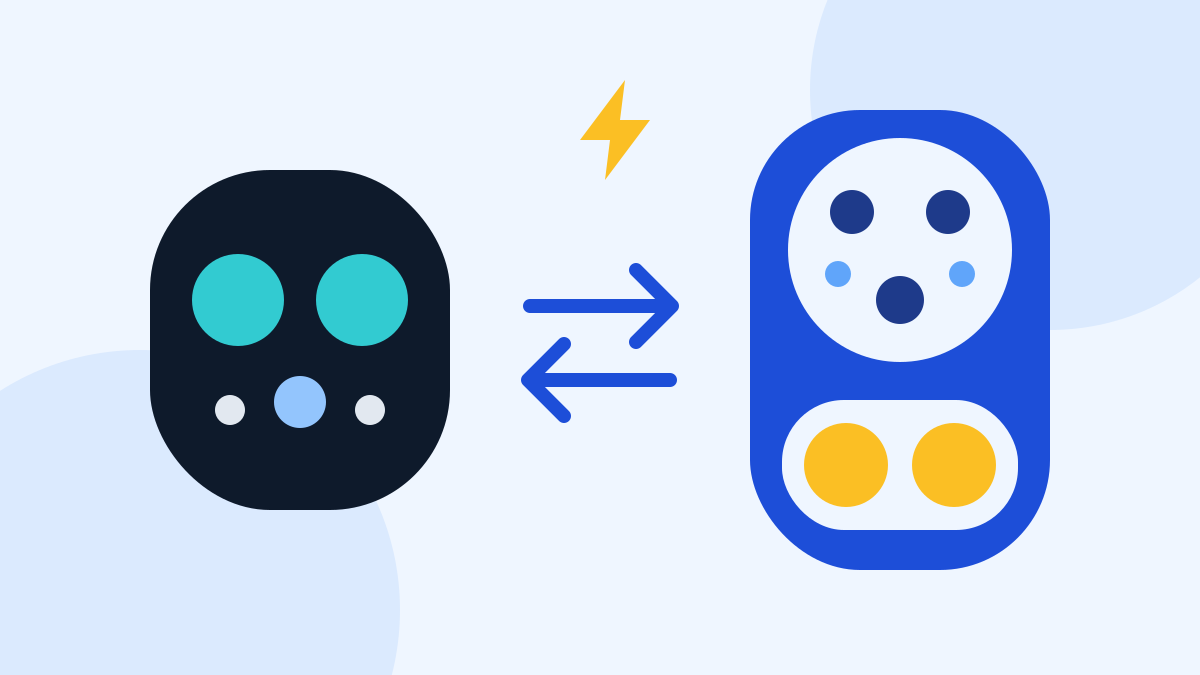
Canada has two plug families. NACS (also called SAE J3400) is Tesla's plug, now used by most new models. J1772 is the older Level 2 plug, and CCS1 is the same plug with two large DC pins added for fast charging.
| You drive | You want to use | Adapter | Type |
|---|---|---|---|
| CCS1 car | Tesla Supercharger | NACS to CCS1 | DC |
| Tesla or NACS car | CCS1 fast charger (BC Hydro, FLO, Electrify Canada, Circuit électrique, Petro-Canada) | CCS1 to NACS | DC |
| J1772 car | Tesla Wall Connector or Destination Charger | NACS to J1772 | AC |
| Tesla or NACS car | Public or home J1772 Level 2 charger | J1772 to NACS | AC |
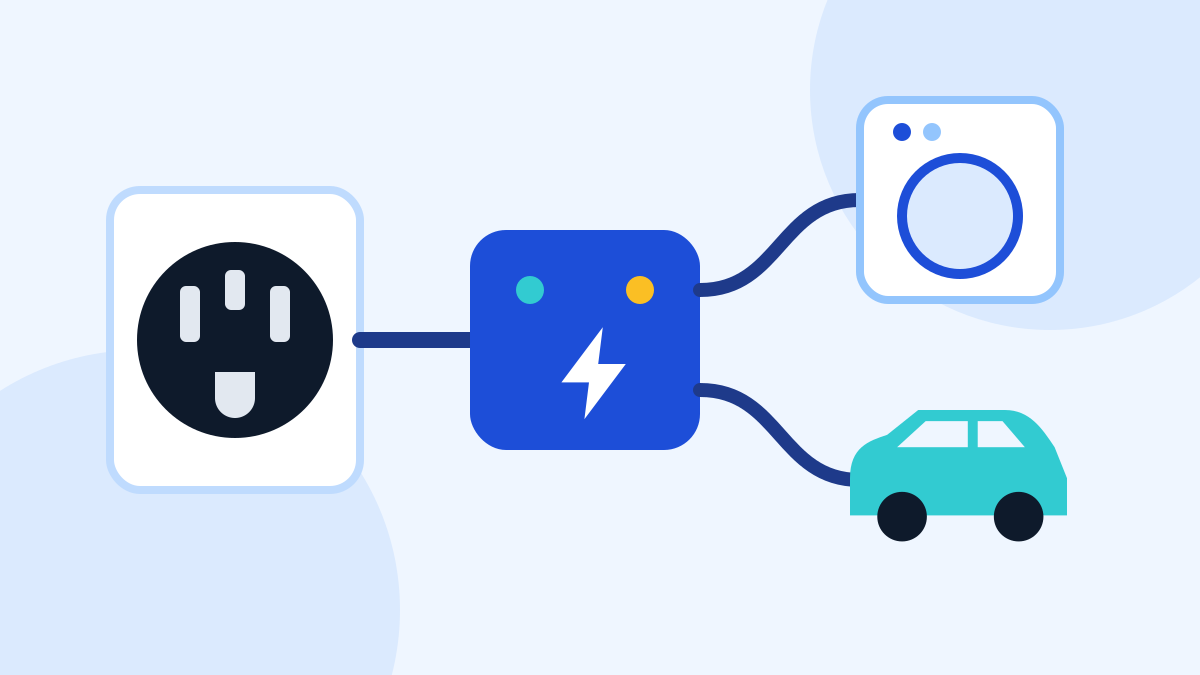
A NACS plug carries AC and DC on the same two large pins. A CCS1 car takes AC through the round J1772 section and DC through the two pins below it. That is why one adapter can't do both jobs: a DC adapter won't charge at a hotel's Level 2 unit, and an AC adapter must never be used at a fast charger.
Fast charging adapters
Fast chargers push up to 500 A through the adapter. A poor contact turns into heat quickly, so this is where the choice matters most.
Tesla's rule is the part most buying guides skip. Tesla's third-party adapter policy says drivers may use only adapters sold or provided by Tesla or by automakers. Honda, GM and others add that damage from another adapter may not be covered by warranty. Third-party DC adapters do work at many Superchargers, but you use them against the network's terms.
The one Tesla allows
Your automaker's NACS adapter
For a CCS1 car at a Tesla Supercharger. Tesla's policy allows only adapters sold or provided by Tesla or by automakers, and several automakers say other adapters can affect warranty cover.
- Direction
- Supercharger to CCS1 car
- Type
- DC only
- Sold by
- Your dealer
- Price
- Free to about C$400
Good
- Allowed under Tesla's adapter policy
- Matched to your car's software and warranty
Watch for
- Price and availability differ by brand
- Some brands still have no approved adapter
Free to about C$400By brand, see our Supercharger guide · checked Nov 9, 2026
Adapter by brandThird-party, certified
Lectron Vortex Plus
A NACS to CCS1 adapter rated 500 A and 1,000 V. Lectron says it is certified to UL 2252 by SGS, and BMW sells it as its approved adapter.
- Direction
- Supercharger to CCS1 car
- Type
- DC only
- Rating
- 500 A, 1,000 V
- Standard
- UL 2252 (SGS)
Good
- Interlock holds the adapter on both ends
- The approved adapter for BMW
Watch for
- For other brands it is still a third-party adapter under Tesla's policy
- Ask your automaker about warranty before buying
Price not checked · checked Nov 9, 2026
Lectron CanadaThird-party, certification unclear
A2Z EV Typhoon Pro
A NACS to CCS1 adapter from a Canadian company, rated 500 A and 1,000 V with two temperature sensors. A2Z recalled its first version after a cease-and-desist notice from Tesla.
- Direction
- Supercharger to CCS1 car
- Type
- DC only
- Rating
- 500 A, 1,000 V
- Sealing
- IP54 mated, IP67
Good
- Sold by Best Buy Canada
- Latch locks the Tesla plug in while charging
Watch for
- We could not confirm a UL 2252 listing for this model
- Sellers note it is not officially authorized for Superchargers
Price not checked · checked Nov 9, 2026
Best Buy CanadaFor Teslas at CCS chargers
Tesla CCS Combo 1 adapter
Lets a Tesla use CCS1 fast chargers such as BC Hydro, FLO, Electrify Canada, Circuit électrique and Petro-Canada.
- Direction
- CCS1 charger to Tesla
- Type
- DC only
- Sold by
- Tesla
- Works with
- Most Teslas from 2020
Good
- Tesla's own part
- Opens up non-Tesla highway chargers
Watch for
- Older Teslas need a retrofit first: check Software > Additional Vehicle Information for CCS adapter support
C$175Tesla Canada, August 2024 · checked Oct 26, 2026
More on CCS and NACSEVMoose earns nothing from these links. Prices are the Canadian price we last saw, before tax; check the seller for today's price.
What your automaker charges, brand by brand, is in our Supercharger access guide. Several brands give the adapter free with a new car.
Level 2 adapters
Level 2 adapters carry far less power (up to 80 A, 19.2 kW), cost less, and are not covered by Tesla's Supercharger policy. Two cases come up:
- J1772 car at a Tesla Wall Connector or Destination Charger (common at hotels and ski hills). You need a NACS to J1772 adapter. A2Z's Stellar and Lectron's 80 A adapter are both sold as certified to UL 2252. Destination Chargers set to Tesla-only won't work with any adapter.
- Tesla or NACS car at a J1772 station. You need a J1772 to NACS adapter. Tesla has long included one with its cars, so check the trunk before buying. Canada has about 31,000 public Level 2 ports, and most are J1772.
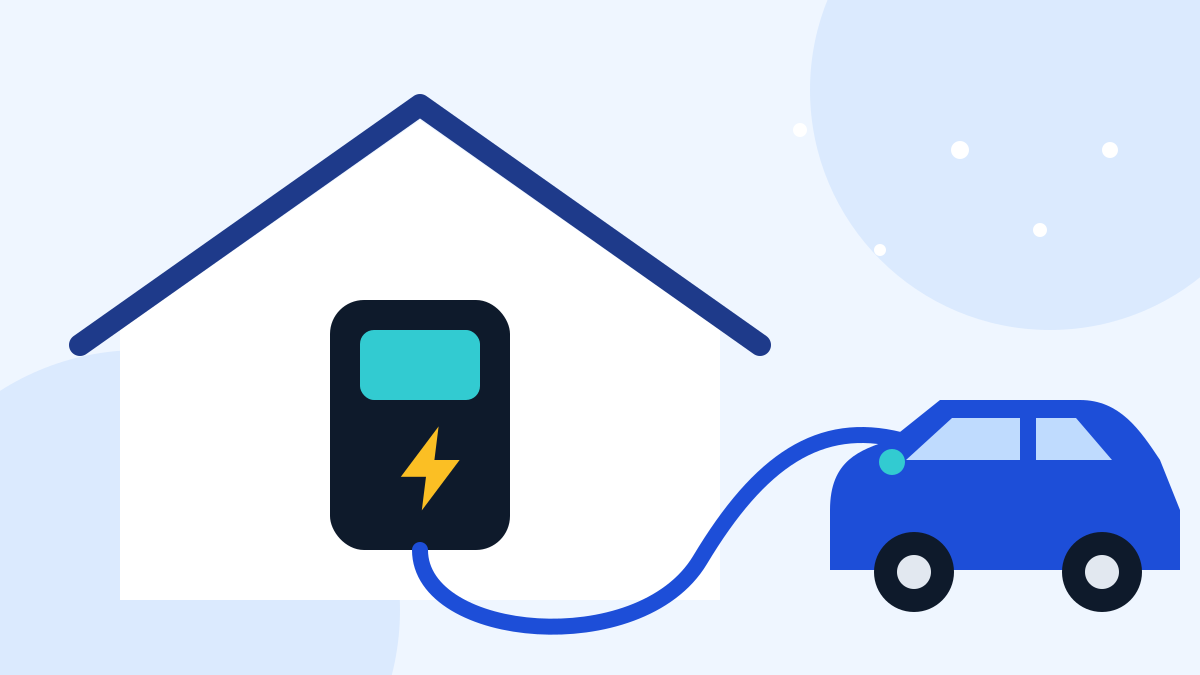
If you are setting up charging at home, pick a wall charger with the right plug instead of living on an adapter. See Level 2 home chargers.
How to tell a safe adapter from a risky one
- Look for UL 2252. It is the safety standard written for EV charging adapters. A real listing names the lab (UL, CSA, Intertek or SGS) and a file number you can look up.
- For Canada, look for a "c" mark (cUL, cETL) or a CSA mark. It shows the product was tested to Canadian requirements.
- Check the rating. A DC adapter should state 500 A and 1,000 V. An AC adapter should state at least 48 A; 80 A covers every home and destination charger.
- A lock or interlock matters on DC. It stops the adapter from being pulled off while current flows.
- Avoid no-name listings. Marketplace listings sometimes claim certifications that can't be found in the lab's database.
Using an adapter in winter
Keep the adapter in the cabin, not the frunk, so the latch isn't frozen. Knock snow and ice out of both ends before connecting. Attach the adapter to the charger's cable first, then plug into the car. If charging stops with a heat warning, unplug and let it cool: don't keep retrying.
FAQ
Can I use any NACS adapter at a Tesla Supercharger in Canada?
Tesla's policy allows only adapters sold or provided by Tesla or by automakers. Your car's brand must also have Supercharger access enabled, or the session won't start.
Is one adapter enough for both fast charging and Level 2?
No. DC and AC adapters are separate parts with different pins in use. Most CCS1 owners who travel end up with one of each.
Do I need an adapter if my car has a NACS port?
Not at Superchargers. You'll want a CCS1 to NACS adapter for other fast charging networks and a J1772 to NACS adapter for most public Level 2 stations.
Does a third-party adapter void my warranty?
It doesn't cancel the whole warranty, but several automakers say damage caused by a non-approved adapter isn't covered. Ask your dealer in writing if it matters to you.
Monthly email: what changed for EV buyers in Canada
Sources
- InsideEVs, Many DC fast charging adapters are technically prohibited, checked 2026-11-09
- Honda Canada dealer notice quoting Tesla's third-party adapter policy, checked 2026-11-09
- Electric Autonomy, GM NACS adapters and warranty (Sept 18, 2024), checked 2026-11-09
- Lectron, Vortex Plus product page, checked 2026-11-09
- Drive Tesla Canada, A2Z EV recall of the Typhoon V1 adapter, checked 2026-11-09
- Best Buy Canada, A2Z EV Typhoon Pro listing, checked 2026-11-09
- Electric Autonomy, 2026 EV charging network report (port counts), checked 2026-11-09